
How to Fix Low Water Pressure in Your Home | Leak Proof Restoration
How to Fix Low Water Pressure in Your Home: A Complete Guide for Atlanta Homeowners
If you’ve ever tried to take a shower and ended up standing under a weak drizzle, you know how frustrating low water pressure can be. Whether it’s affecting your faucets, showerheads, or entire plumbing system, low water pressure is more than an inconvenience — it’s often a sign that something deeper is wrong with your plumbing.
This guide walks you step-by-step through identifying the cause, testing your system, and fixing low water pressure in your home. As experts in plumbing and water restoration in Atlanta GA, we’ve helped hundreds of homeowners resolve low water pressure issues quickly and affordably.
Understanding What Causes Low Water Pressure
Before making any repairs, you need to identify what’s causing the issue. Low water pressure can result from several different sources, including:
Mineral Buildup in Pipes
Hard water leaves behind mineral deposits that restrict water flow, especially in older homes with galvanized steel or copper pipes.
Partially Closed Shut-Off Valves
A common but easily overlooked issue is a shut-off valve that isn’t fully open, limiting how much water reaches your fixtures.
Faulty Pressure Regulator
Homes with municipal water lines often have a pressure regulator that controls flow. If it fails, pressure can drop dramatically.
Leaking Pipes
Even a small leak can divert water away from fixtures, reducing overall pressure throughout your plumbing system.
Corroded Pipes
Over time, pipes made of older materials like galvanized steel can corrode, closing off internal passageways and decreasing water flow.
Municipal Supply Issues
Sometimes, the problem isn’t inside your home. If nearby homes are also experiencing low pressure, the city water supply may be to blame.
Step 1: Check Pressure at Multiple Fixtures
The first step in diagnosing low water pressure is determining whether it’s isolated or system-wide.
If only one fixture is affected:
The problem is likely specific to that faucet, showerhead, or valve.
If the entire house is affected:
The issue could stem from your main line, pressure regulator, or even a municipal problem.
You can test this by turning on multiple taps at once — if they all flow weakly, you know it’s not an isolated fixture issue.
Step 2: Inspect the Main Shut-Off Valve
Next, locate your home’s main shut-off valve. It’s typically found:
Near your water meter outside
In a basement, utility room, or crawl space
Make sure it’s fully open. Sometimes after maintenance or repairs, these valves aren’t turned all the way back, restricting flow.
If you have aball valve, the handle should be parallel to the pipe. If you have agate valve, twist it counterclockwise until it stops.
Step 3: Clean Faucet Aerators and Showerheads
If low pressure is isolated to certain faucets or showers, buildup inside the aerator or showerhead could be the culprit. Here’s how to clean them:
Unscrew the aerator or showerhead.
Soak it in white vinegar for 30 minutes to dissolve minerals.
Scrub it gently with a toothbrush to remove debris.
Rinse and reattach.
This simple fix can restore normal water flow immediately and prevent future buildup.
Step 4: Test and Adjust the Pressure Regulator
Homes in Atlanta that use city water usually have apressure regulator— a bell-shaped device near your main shut-off valve. Its job is to maintain steady water pressure between 45 and 60 psi.
If your pressure is too low:
Use a pressure gauge (available at any hardware store) to test your pressure by attaching it to an outdoor spigot.
If it’s below 40 psi, your regulator may need adjustment.
Use a wrench to slightly tighten the adjustment screw clockwise to increase pressure.
If tightening doesn’t work, the regulator may be failing and should be replaced by a licensed plumber.
Step 5: Look for Hidden Leaks
Leaks don’t always show themselves immediately. To check for hidden leaks:
Turn off all water fixtures.
Check your water meter.If it’s still spinning, water is escaping somewhere.
Inspect walls, floors, and ceilingsfor damp spots or discoloration.
Listenfor dripping or hissing sounds near pipes.
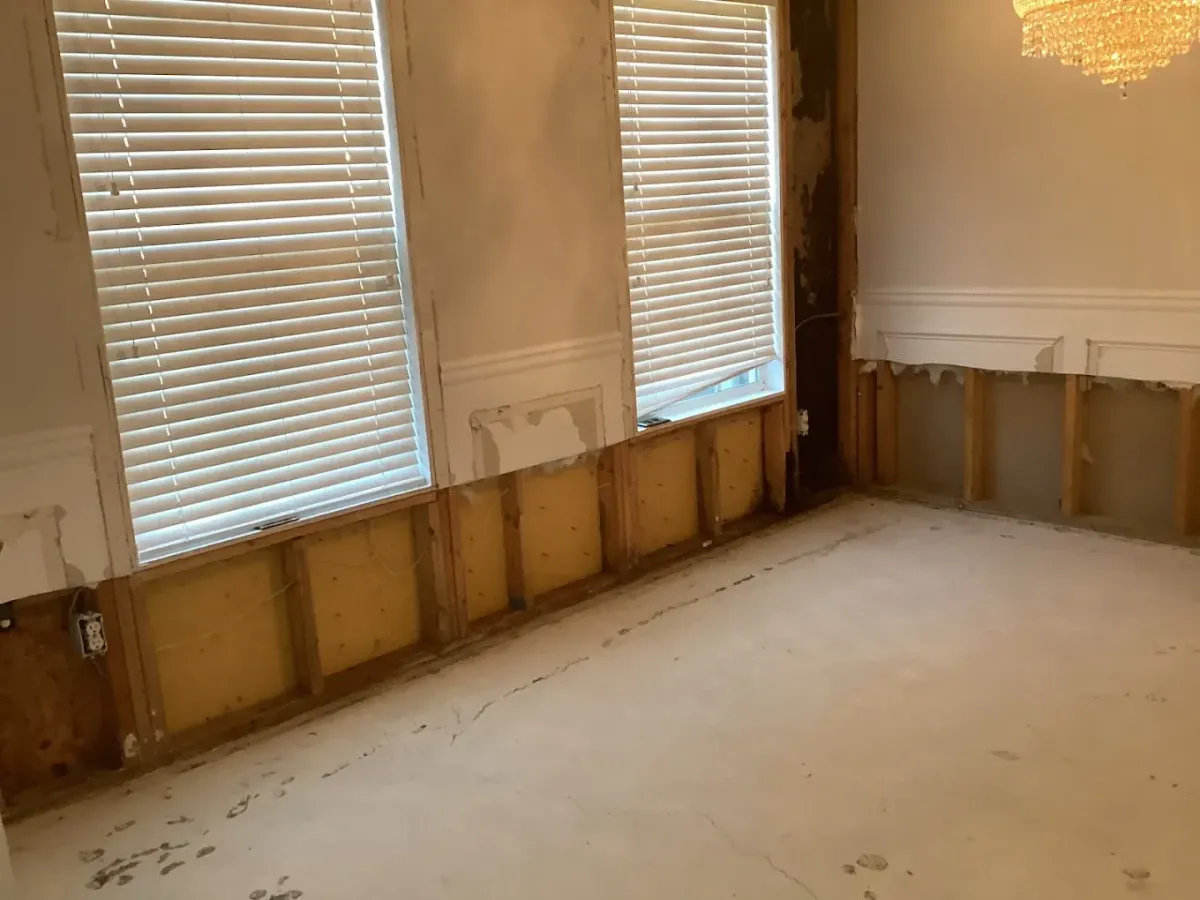
Leaks not only lower water pressure but can also cause significant water damage if left unaddressed. If you find any signs of a leak, call a professional right away to prevent costly damage.
Step 6: Flush Your Pipes
Sediment from the municipal water system or internal corrosion can clog pipes. Flushing them helps remove debris:
Turn off your main shut-off valve.
Open all faucets in your home, starting from the lowest to the highest.
Turn the water back on and let it run for several minutes to push sediment out.
This method often improves water pressure instantly, especially in homes with older plumbing systems.
Step 7: Address Corroded or Aging Pipes
If you live in an older home in Atlanta, your pipes may be the main issue. Galvanized steel pipes are prone to corrosion, which narrows the inside of the pipe over time.
Unfortunately, this isn’t a DIY fix. If pipe corrosion is the cause, the best long-term solution isrepiping your homewith modern PEX or copper piping. Not only will this restore full water pressure, but it will also improve water quality and reduce the risk of leaks.
Step 8: Contact Your Water Supplier
If you’ve ruled out all the above and pressure is still low, contact your local water supplier. The City of Atlanta Department of Watershed Management can test your water pressure at the meter.
If the issue lies on their side, they are responsible for repairs. If it’s beyond the meter (inside your property line), it’s your responsibility to fix.
Preventing Future Low Water Pressure Problems
Low water pressure can be prevented with simple maintenance habits that keep your plumbing healthy year-round:
Flush your water heater once a yearto remove sediment that can travel through your pipes.
Install a water softenerto reduce mineral buildup from hard water.
Inspect exposed plumbingquarterly for corrosion, leaks, or drips.
Clean faucet aeratorsevery few months to prevent blockages.
Schedule annual plumbing inspectionsto catch small problems before they become major issues.
These preventive measures not only maintain consistent water pressure but also extend the lifespan of your plumbing system.
When to Call a Professional Plumber
While homeowners can handle small fixes like cleaning aerators or adjusting valves, some problems require professional tools and expertise.
You should call a licensed plumber if:
The issue affects the entire home and persists after troubleshooting.
Your regulator or main valve needs replacement.
You suspect a hidden leak inside walls or under slabs.
You have old or corroded pipes that may need replacement.
AtLeak Proof Restoration, we specialize in diagnosing and repairing water-related plumbing issues across Atlanta GA. Our certified technicians handle everything from water pressure restoration to leak detection and water damage repair.
The Bottom Line
Low water pressure is a common but solvable issue for Atlanta homeowners. Whether the cause is a minor clog or a major leak, the key is identifying the problem early and addressing it properly.
If you’ve tried these steps and your pressure still hasn’t improved, professional help is the safest next move. Our team atLeak Proof Restorationoffers 24/7 plumbing and water restoration services throughout Metro Atlanta, ensuring your home’s water system runs efficiently and reliably.
Need expert help with your plumbing or water pressure issues?
Call Leak Proof Restoration today for professional water damage restoration and plumbing repair in Atlanta GA.